Creative Architectural Solutions: Discovering the Advantages of Professional Architecture Services
Innovative design approaches serve a critical function in transforming modern environments. When focusing on functional sustainability, architects can develop environments that resonate with the needs of communities. Incorporating eco-conscious resources and smart solutions optimizes resource consumption while encouraging community engagement. As these designs evolve, they respond to human-centered needs and embrace cultural traditions. The question remains: to what extent do these aspects merge to revolutionize our metropolitan spaces and uplift community standards?
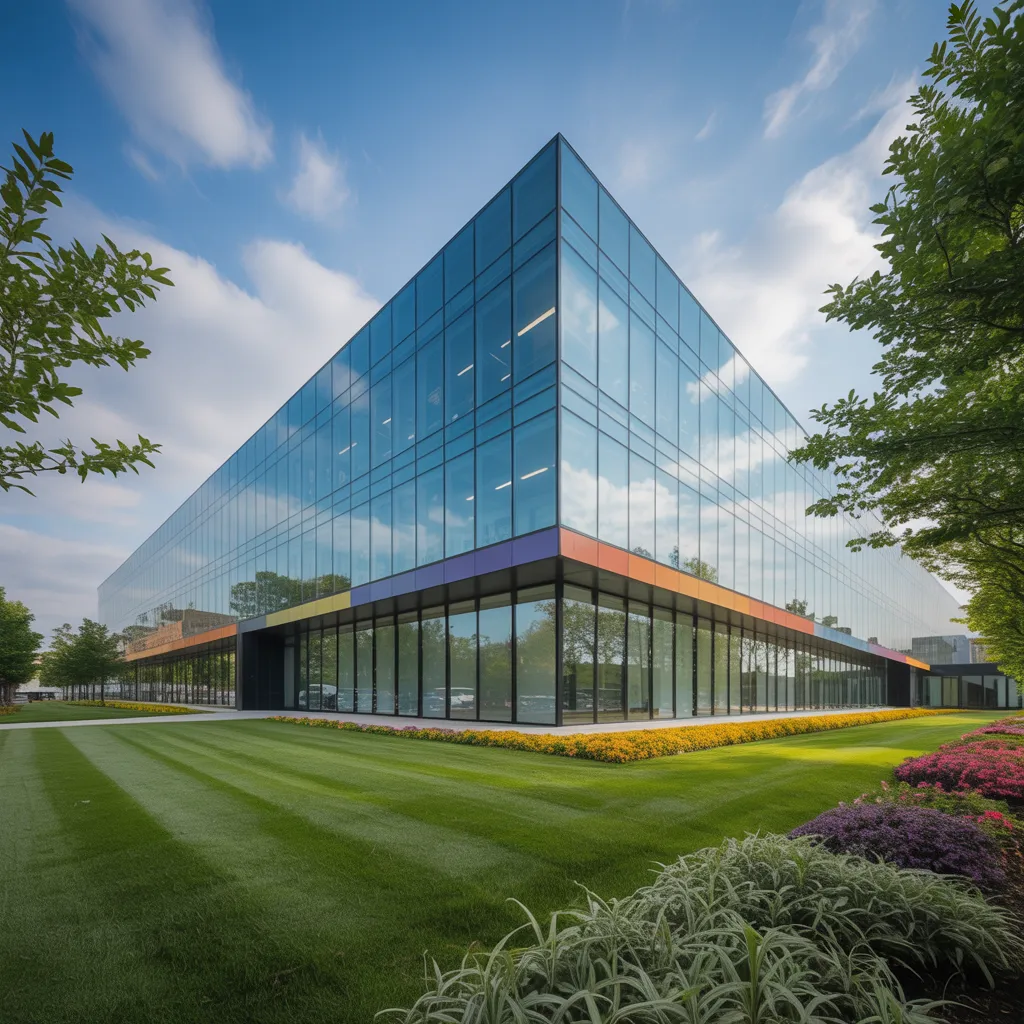
The Role of Architects in Creating Sustainable Spaces
Architects serve a pivotal role in the advancement of sustainable built environments, greatly affecting the environmental effect of constructed spaces. Their proficiency supports the inclusion of sustainable materials, sustainable energy systems, and innovative design principles that decrease the use of resources. By championing eco-conscious design, architects are able to develop structures that minimize greenhouse gas output and strengthen overall energy effectiveness.
Cooperation with environmental specialists and engineers is of paramount importance in this process, making certain that designs meet both aesthetic and functional criteria while upholding environmentally responsible methods. In addition, architects consider the surrounding ecosystem, encouraging biodiversity and integrating natural features that establish a cohesive relationship between the built environment and natural surroundings.
Through deliberate strategy, architects champion the use of clean energy alternatives, such as solar panels or wind turbines, which additionally advances environmental goals. Ultimately, their role extends beyond mere construction; architects transform the trajectory of city environments by fostering a commitment to sustainable practices and conscientious planning.
Leading Innovations in Architectural Design That Boost Functionality
A wide range of developments in structural architecture are redefining the functionality of today's built environments. One prominent advancement is the incorporation of intelligent technology, enabling structures to respond to occupant requirements through self-regulating lighting, environmental controls, and safety mechanisms. Such advancements boost both energy performance and the overall comfort of users.
In addition, modular construction approaches are growing in prominence, supporting swifter building processes and broader design versatility. These structures can be easily reconfigured or expanded, making them well-suited for diverse purposes.
Biophilic design, which incorporates natural elements into building design, promotes well-being and productivity, fostering a relationship between occupants and the spaces they inhabit.
Furthermore, open floor plans are increasingly popular, providing versatile spaces designed to accommodate multiple activities.
Additionally, green materials are being incorporated not only for their sustainability but also for their visual appeal and long-lasting qualities, enhancing the overall functionality of modern structures. Collectively, these developments result in more versatile and optimized architectural outcomes.
How Design Brings Communities Together
Planning plays a pivotal role in nurturing bonds within communities, creating environments that promote collaboration and cooperation among inhabitants. Strategically crafted recreational areas, public squares, and community zones function as vital meeting points, fostering community interaction and a sense of belonging. Structural characteristics such as expansive floor plans and versatile areas create opportunities for local activities and activities, enhancing the collective living experience.
In addition, designs that reflect local heritage and history create a distinctive sense of identity, enabling residents to develop a stronger connection to their environment. By focusing on accessibility and inclusivity, architects guarantee that all individuals, regardless of age or ability, can be involved in community life.
The integration of natural elements, such as verdant areas and communal spaces, additionally elevates the neighborhood experience, providing residents with a refuge and a place for shared enjoyment. At its core, deliberate architectural design not only transforms physical spaces but also strengthens the bonds that hold communities together.
Maximizing Energy Efficiency Via Expert Architectural Design
A major transformation towards energy conservation is revolutionizing the architecture landscape, fueling the development of innovative solutions that lessen environmental consequences. Expert architecture services have a critical part in this change by integrating sustainable practices into design. These design professionals assess energy usage trends and utilize high-quality materials, such as superior insulation systems and thermally efficient windows, to decrease heating and cooling demands.
Additionally, the integration of sustainable energy solutions, like photovoltaic panels and geothermal solutions, not only reduces reliance on fossil fuels but also decreases overhead expenses for building owners. Advanced building automation technologies also optimize building energy efficiency, facilitating real-time monitoring and adjustments to energy use.
Through meticulous planning and innovative design, skilled architects develop environments that not only comply with stringent environmental standards but also foster long-term sustainability. This commitment to energy efficiency ultimately leads to a more sustainable planet and stronger communities, highlighting the essential role of architecture in combating climate change.
Thriving Urban Landscape Makeovers
One striking instance can be found in the transformation of derelict waterfront areas into dynamic recreational areas, featuring parks, walking paths, and cultural attractions. Such developments serve to enhance the landscape while also boosting regional economies by attracting visitors and businesses.
Beyond this, successful urban development recognizes the distinct discussion characteristics of a district, making certain that each redesign embodies its history and culture. This tailored approach encourages a sense of connection among community members, promoting care for the environment. Ultimately, thriving urban landscape projects highlight the ability of urban planning to redefine city living and promote long-term urban sustainability.
Where Is Innovative Architecture Headed?
In what ways can innovative architecture keep pace with and address the changing demands of society? With urban landscapes becoming ever more intricate, architects face the critical task of tackling key challenges including sustainability, affordability, and social equity. Innovative technologies, encompassing artificial intelligence and next-generation materials, open up new possibilities for design, supporting more effective construction processes and superior energy performance.
Furthermore, architects are continually partnering with a wide range of stakeholders, from local residents to ecology specialists, making sure designs capture the values and needs of the people they serve. This participatory approach promotes resilience, enabling buildings to respond to shifting climatic factors and social requirements.
In addition, the incorporation of biophilic architectural principles enhances overall well-being, connecting inhabitants with nature. As the architectural landscape evolves, the commitment to forward-thinking solutions will remain a top priority, driving the profession to design environments that are functional while also being transformative for the generations ahead.
Answers to Your Most Common Questions
How Do Architects Work Together With Engineers on Projects?
Engineers and architects work together by combining design principles with technical specifications, maintaining structural stability and operational efficiency. Frequent meetings enhance communication, enabling both fields to tackle obstacles and improve project results through collaborative knowledge and creative approaches.
What Are the Fees Associated With Hiring an Architect?
The costs associated with hiring an architect commonly consist of design fees, project management expenses, and potential additional charges for site visits or consultations. These expenses can differ significantly depending on the complexity of the project and its location.
What Is the Typical Duration of the Architectural Design Process?
The process of architectural design usually spans several months, depending on project scope and the requirements of the client. Considerations like permits, revisions, and contractor coordination may also affect the total project duration, commonly adding considerable time to the process.
Do Architects Provide Help With Zoning and Permit Applications?
Absolutely, architects can assist with permit and zoning applications. Their knowledge helps manage complicated regulatory requirements and secures adherence to local building codes, simplifying the overall process and improving the chances of receiving the needed permits for projects.
What Qualities Should I Look for When Hiring an Architect?
When hiring an architect, one should prioritize qualifications such as relevant experience, proper licensing, educational background, excellent interpersonal and communication skills, and a portfolio demonstrating creativity and problem-solving ability. Relevant specializations should also be considered according to the requirements of your project.